Product Description
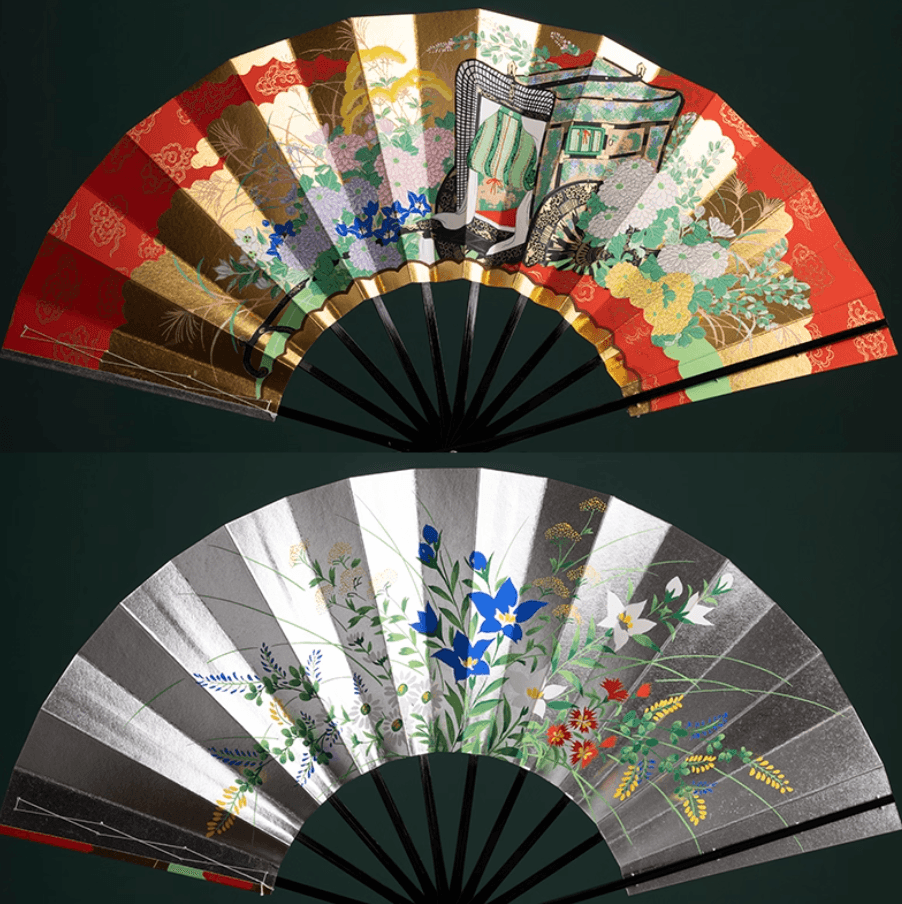
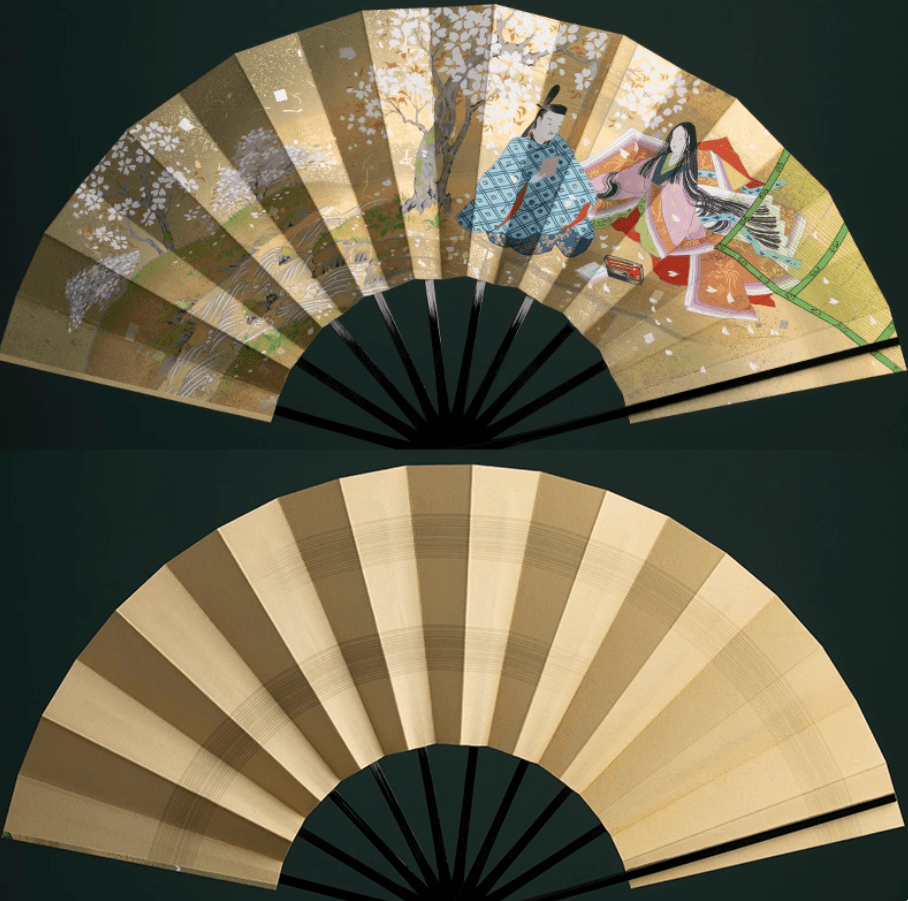
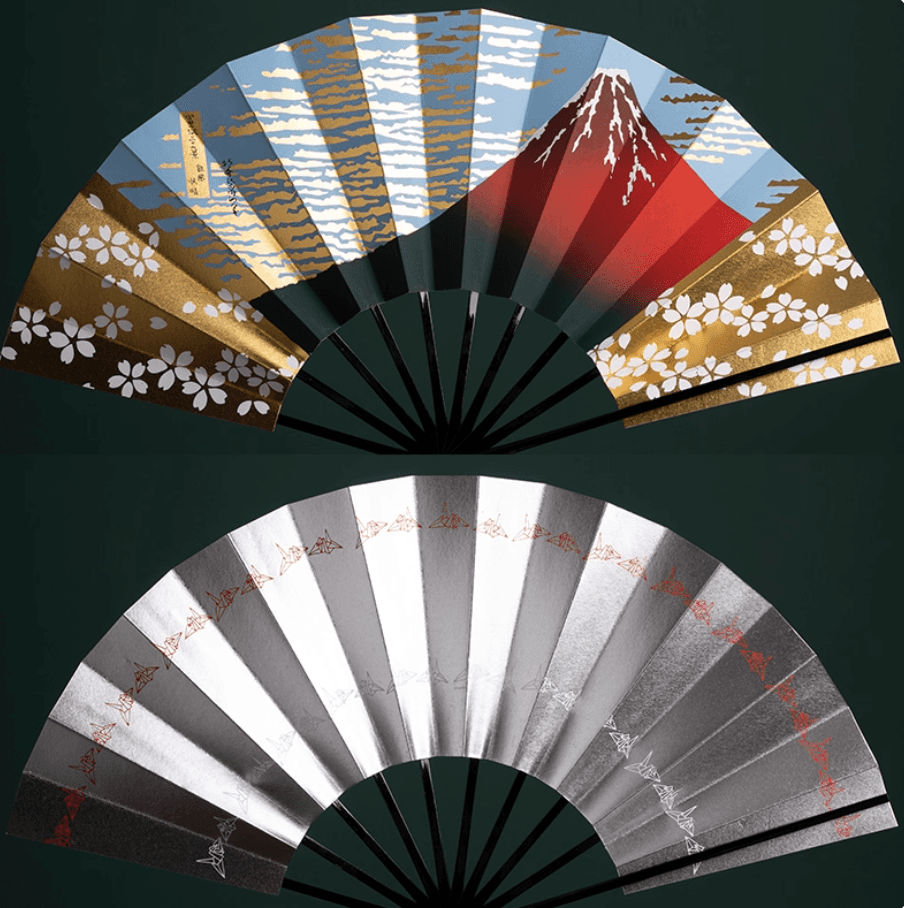
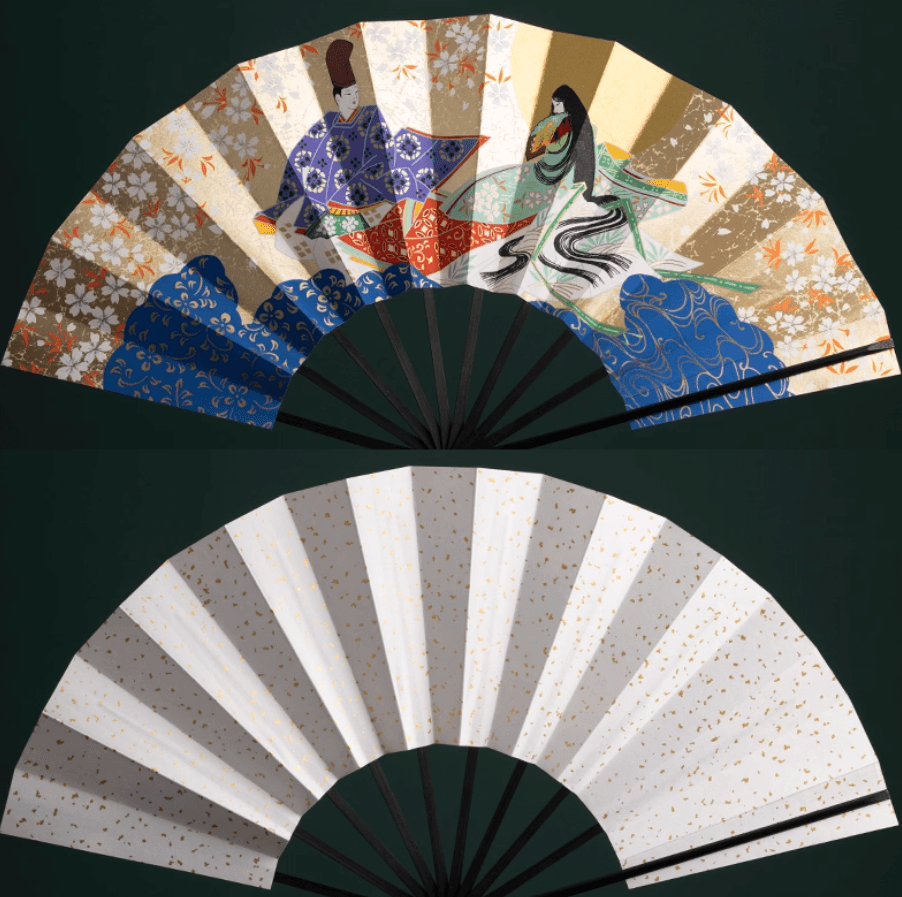
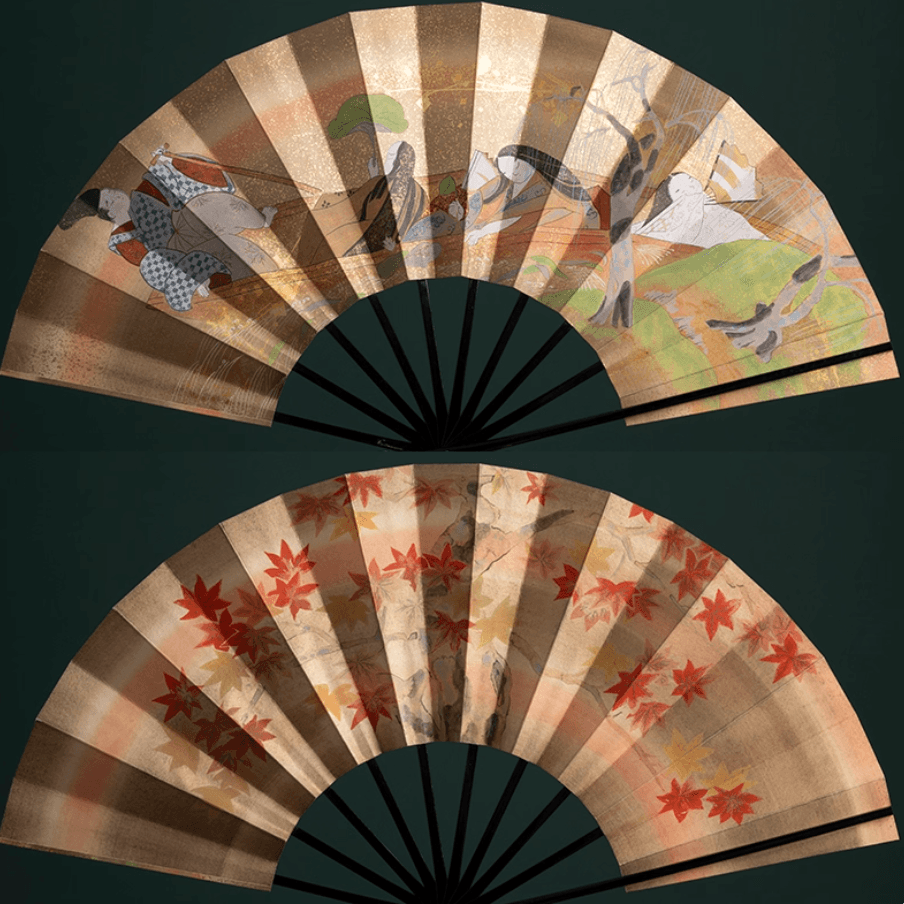
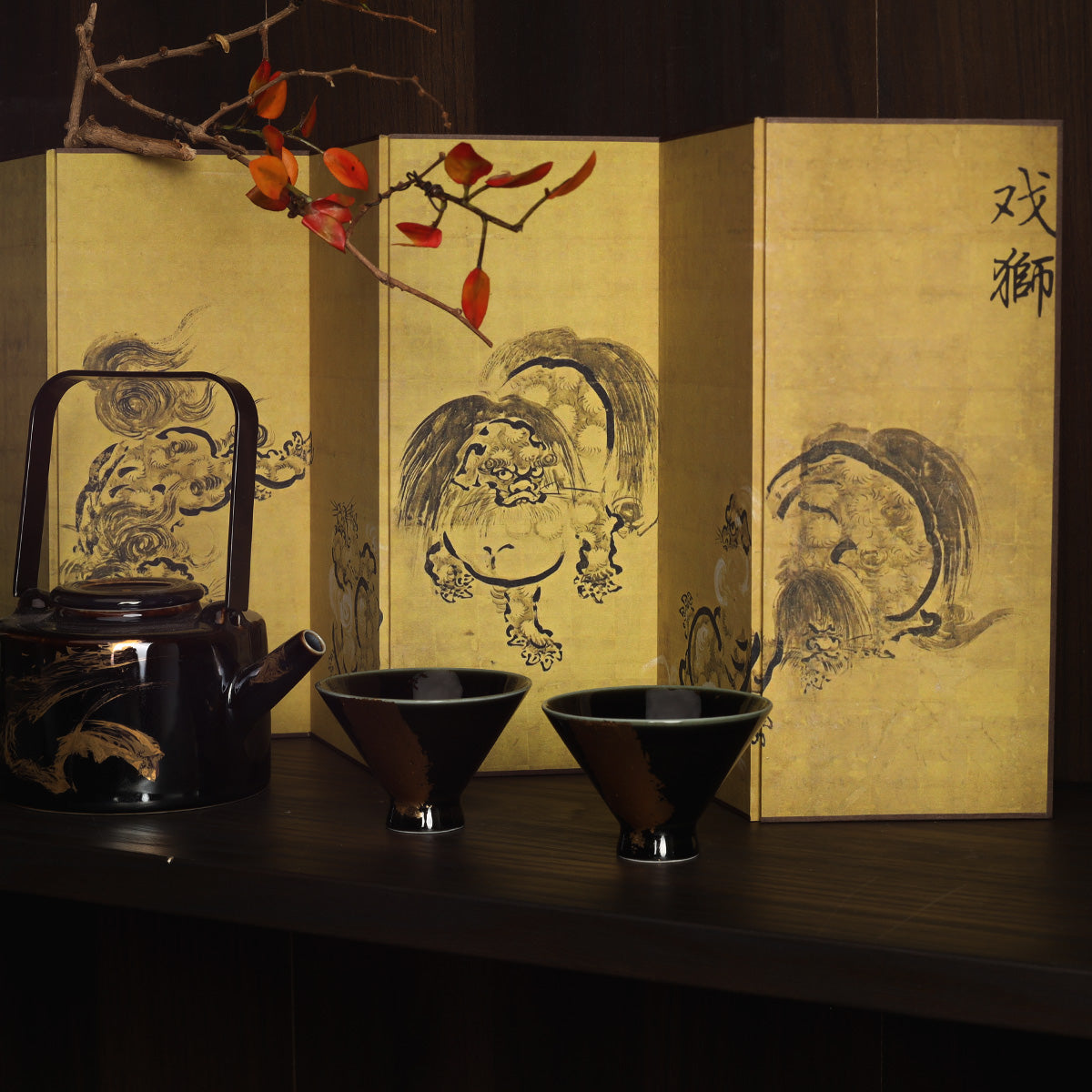
Inspired by traditional Japanese aesthetics, this elegant decorative hand fan is crafted to bring a sense of calm, refinement, and cultural beauty into any space.
The fan surface is made from authentic Japanese washi paper, known for its delicate texture and timeless appeal. Paired with a smooth wooden frame, the fan is designed primarily for display and decoration, making it a perfect accent for living rooms, tea rooms, studios, boutiques, or Japanese-themed interiors.
With its generous size and graceful silhouette, this fan can be displayed on a wall, shelf, or stand, serving as a subtle yet striking statement piece. It also makes a thoughtful gift for lovers of Japanese culture, traditional art, or minimalist home décor.
This fans are made by sprinkling gold foil on the fan surface and paper, and then folding them to create creases. Next, a middle bone is inserted into the fan ribs and the two ends are pasted together to complete the fan. Jing folding fans are made of high-quality bamboo and paper, and with exquisite craftsmanship, their unique taste and feel are not only pleasing to the eye but also excellent practical items.
Product Specifications
Product Type: Decorative Japanese Hand Fan
Fan Surface Material: Traditional Japanese Washi Paper
Frame Material: Wood
Handle Length: approx. 13 inches
Fan Diameter (Opened): approx. 21.7 inches
Usage: Decorative / Display (Not intended for daily cooling use)
Style: Traditional Japanese / Elegant / Minimalist
Background
The tuan fan invented in China was introduced to Japan in the Tang Dynasty of China during the Nara period of Japan. It has always been used as a symbol of the noble class and used in court activities or ceremonies. Many families even use the tuan fan as the emblem. After renovation by craftsmen, in the early Heian period, the prototype of a folding fan with cypress pieces at the end, which can be combined piece by piece, was developed, and it was called cypress fan, which was the earliest Japanese wasabi fan. In summer, the nobles often gave cypress fans to their courtiers as a show of grace, and the courtiers always brought them with them. The court ladies were also deeply influenced. They carried the cypress fan as an ornament and creatively painted flowers and plants on the fan. By the middle of the Heian period, the flowers became bigger and bigger and overlapped. In addition to drawing flowers and plants, it also draws characters and landscapes. The main ethnic group in Japan is called"Yamato", so things with Japanese characteristics are often preceded by the word"wa", such as"waka"and kimono. There are controversies about Japanese fans in history, and Japanese people generally believe in one. According to this theory, it is a more"authentic"Japanese product.
中国で発明された唐扇子は、唐時代の奈良時代に日本に伝わり、古くは貴族階級の象徴として、法廷や儀式に用いられてきました。多くの家庭で、藩の紋章としても使われています。職人の変身後、平安時代初期に、最後にヒノキを一枚ずつ組み合わせた扇子の原型が開発され、ヒノキ扇子と呼ばれ、日本の最初期の扇子でした。夏には、貴族はしばしばヒノキのファンを優雅さのショ一として彼らの求愛者与与えました、そして、求愛者はいつも彼らを連れてきました。宮廷婦人たちも深く影響を受け、ヒノキの扇子を置物として運び、扇子の上に花や植物を工夫して描いており、平安時代中期になると花々が大きくなり重なっていきました。花や植物を描くほか、キャラクターや風景も描いています。日本の主な民族は「大和」と呼ばれるため、「和歌」や「着物」など、日本の特徴を表すものの前に「和」が付いていることが多く、日本人のファンについては議論があり、日本人は一般的にそれを信じていますこの理論によれば、これはより「本物の」日本の製品です。